Reinier Groeneveld

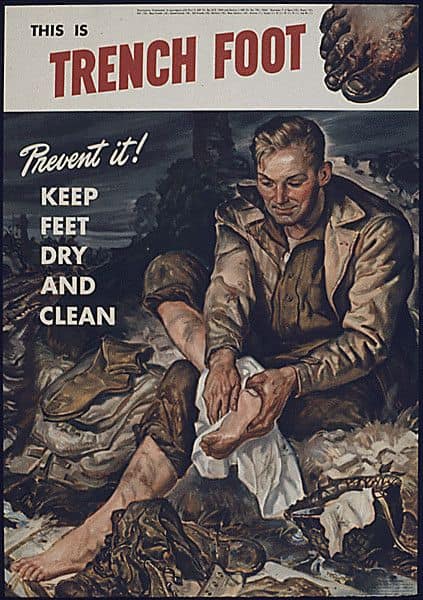
Trench Foot Poster

Trench foot and Frostbite epidemic in the ETO

The US Army in the European Theater of Operations (ETO) faced a tragic epidemic in the fall and winter of 1944/1945. Casualty numbers in this epidemic range from 46,000 – 71,000 soldiers (depending on whether only “pure” cold injury casualties are counted or casualties with other medical problems AND cold injury are counted). If we

Trench foot and Frostbite epidemic in the ETO Read More »
Blood plasma treatment for shock

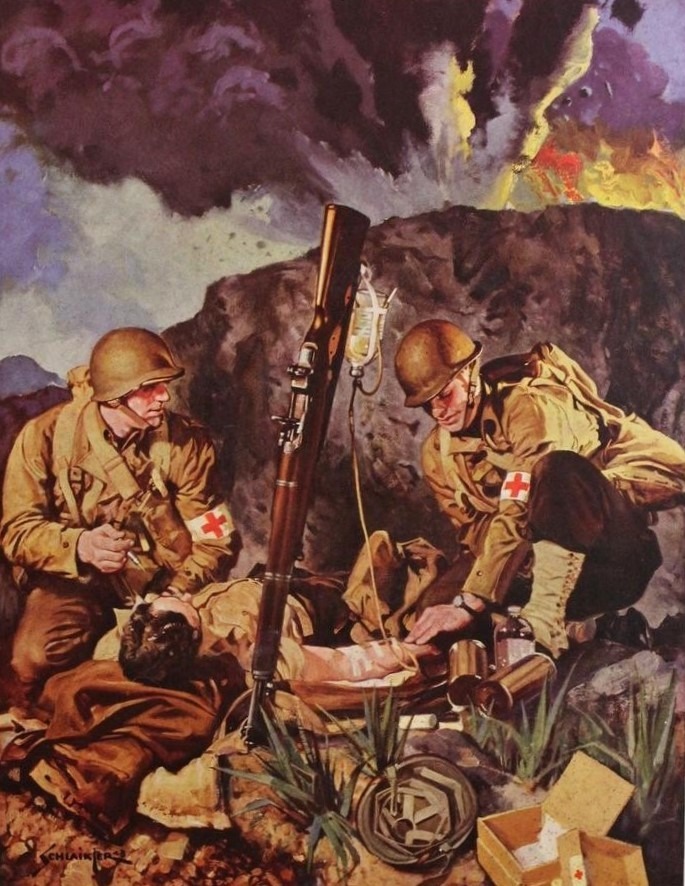
Shock treatment in the US Army during WW2. Part 1: Shock and plasma.

Shock is a life-threatening condition caused by failure of blood circulation, causing inadequate oxygen delivery to the tissues and cells of the body. The effects of shock are initially reversible, but can rapidly become irreversible, resulting in multiorgan failure and death. There are several possible causes and we now recognize different types of shock: septic

Shock treatment in the US Army during WW2. Part 1: Shock and plasma. Read More »
Paul Sand ITS

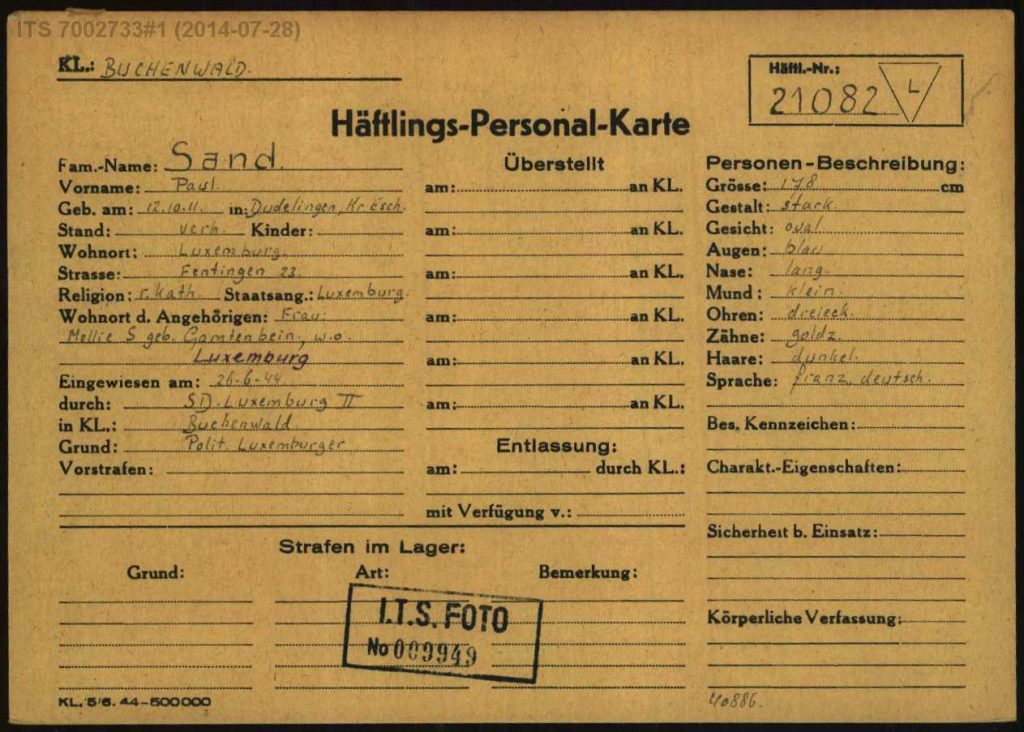
Recollections of a Liberator, part 3: Prisoner 21082, Paul Sand

In 1992, Frederick B. Lea recorded his experiences of April 1945, when he witnessed the horrors of the Holocaust firsthand during the liberation of two concentration camps: Ohrdruf and Buchenwald. Lea was a Captain during the War. He served as company commander of the Headquarters Company, 46th AMB; as Battalion Supply Officer (S-4), and as

Recollections of a Liberator, part 3: Prisoner 21082, Paul Sand Read More »
Lea Buchenwald Crematorium

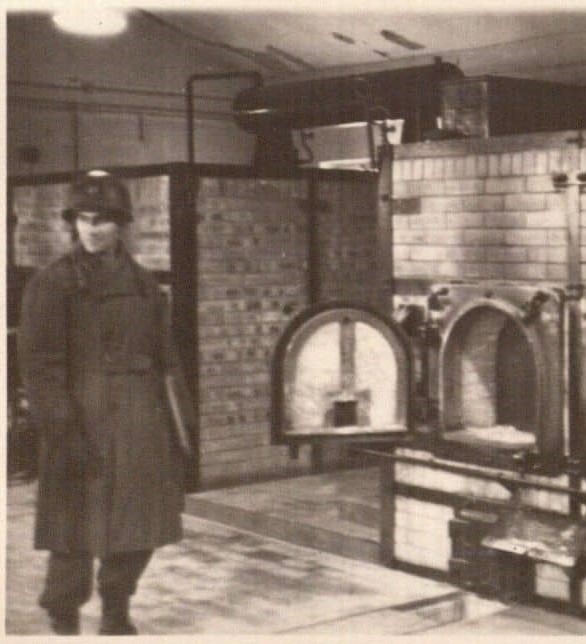
Recollections of a Liberator: the liberation of Ohrdruf and Buchenwald. Part 2: Buchenwald.

In 1992, Frederick B. Lea recorded his experiences of April 1945. During this month, men of the 4th Armored Division witnessed the horrors of the Holocaust firsthand when they overran two concentration camps: Ohrdruf and Buchenwald. Lea was a Captain during the War. He served as company commander of the Headquarters Company, 46th AMB; as

Recollections of a Liberator: the liberation of Ohrdruf and Buchenwald. Part 2: Buchenwald. Read More »
Ohrdruf Concentration Camp

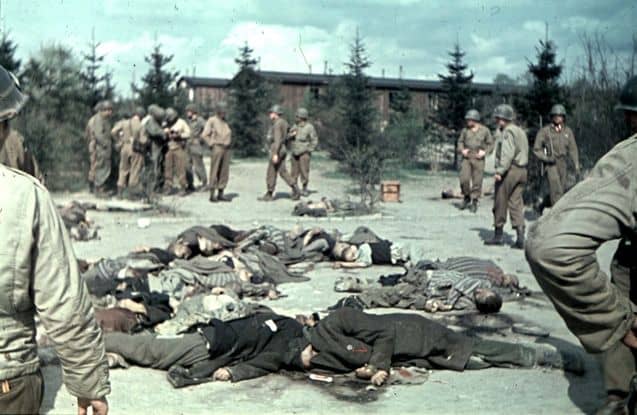
Recollections of a Liberator: the liberation of Ohrdruf and Buchenwald. Part 1: Ohrdruf.

In 1992, Frederick B. Lea recorded his experiences of April 1945. During this month, men of the 4th Armored Division witnessed the horrors of the Holocaust firsthand when they overran two concentration camps: Ohrdruf and Buchenwald. Lea was a Captain during the War. He served as company commander of the Headquarters Company, 46th AMB; as

Recollections of a Liberator: the liberation of Ohrdruf and Buchenwald. Part 1: Ohrdruf. Read More »
Company C Clearing Station- Normandy

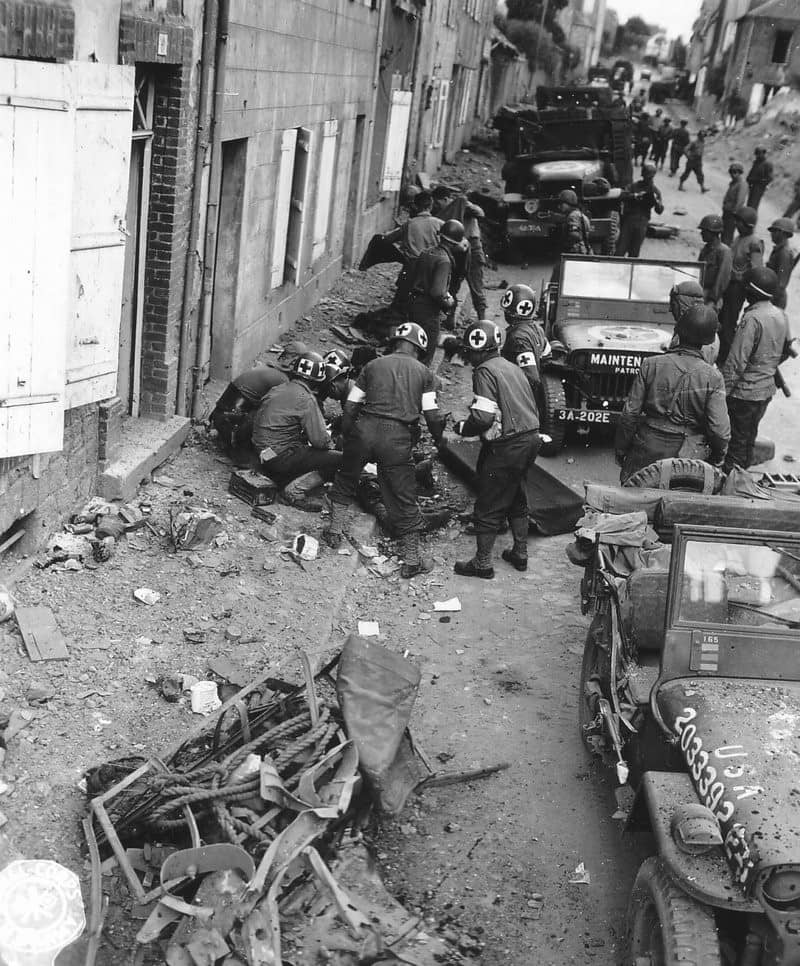
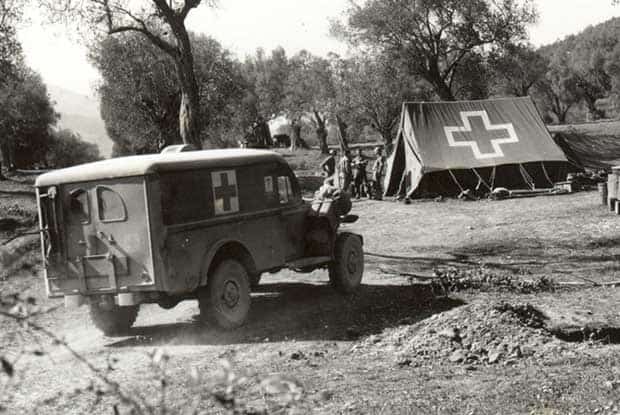
Medical Evacuation and Treatment Series. Part 5: Medical Battalion.

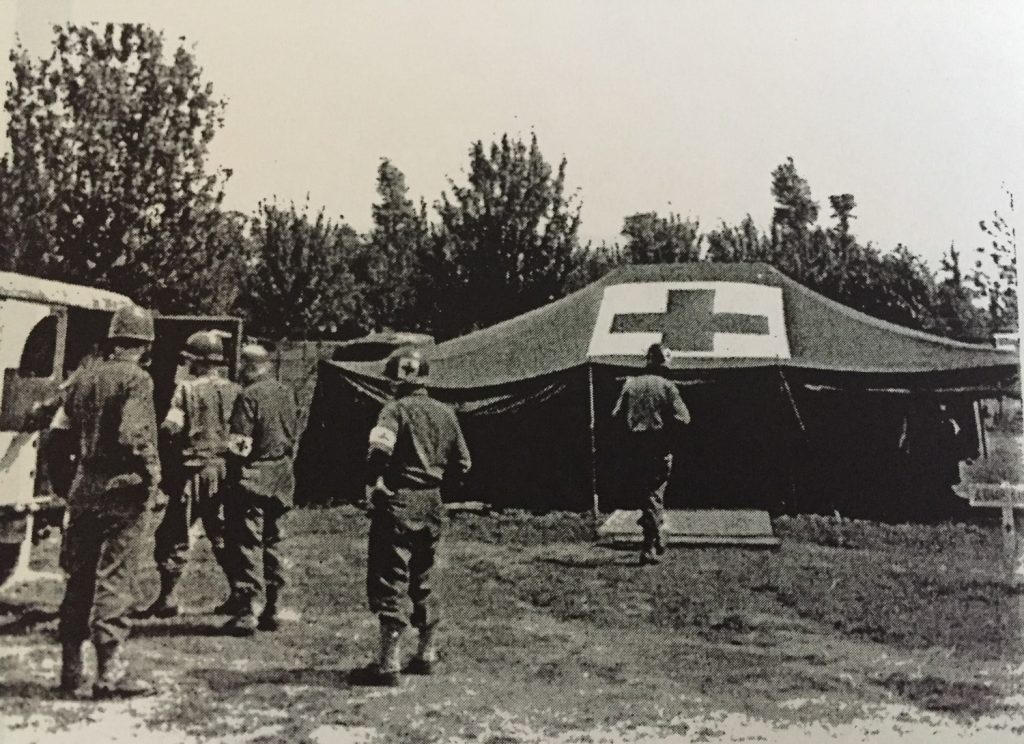
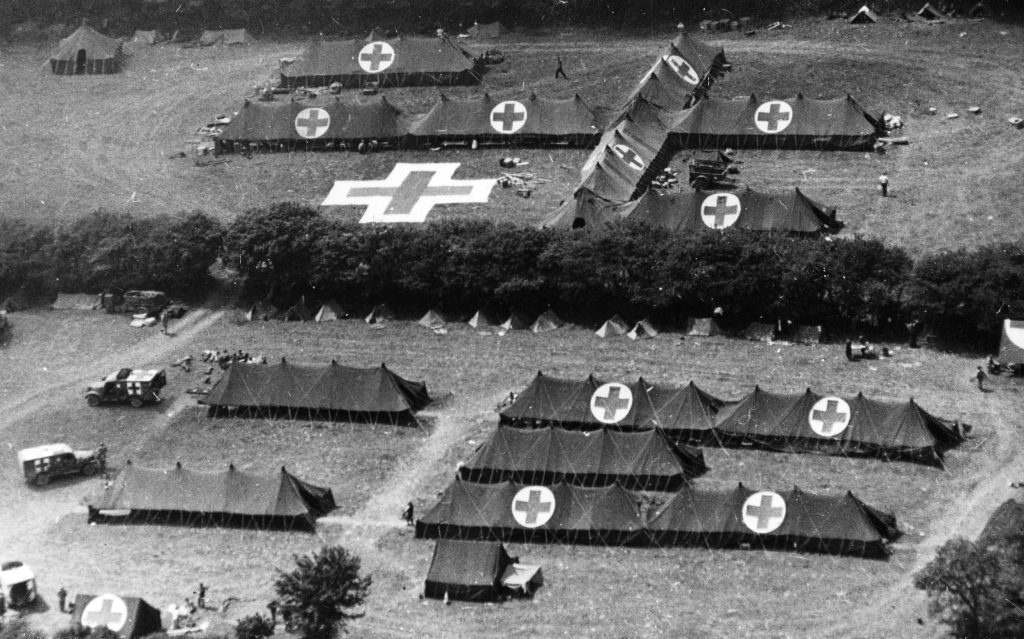
When a casualty’s injury warranted evacuation from the battalion aid station/casualty collecting point, and the treatment he had received had stabilized his situation enough for him to be transportable, he would enter the second echelon of the Chain of Evacuation. The second echelon was the responsibility of the medical battalion. Just as all the medical

Medical Evacuation and Treatment Series. Part 5: Medical Battalion. Read More »

Lorraine Garden.5

Silence

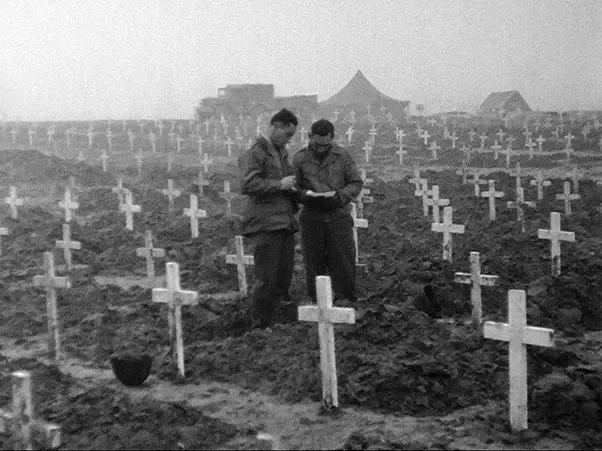
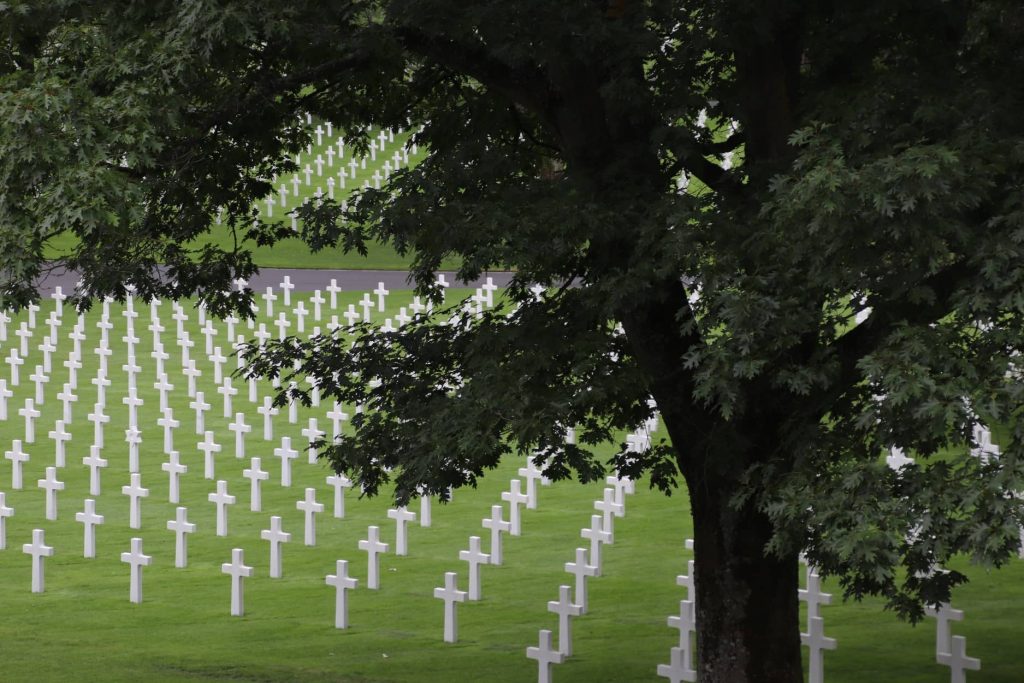
I visited the Lorraine American Cemetery and Memorial at St. Avold, France this July. I drove there, from my family’s vacation house in the Belgian Ardennes, to see the graves of the 17 members of the 4th Armored Division’s medical units buried there. I had planned to write about my visit to the cemetery soon

Silence Read More »
Battalion Aid Station Sign 37th Tank Battalion

Medical Evacuation and Treatment Series. Part 4: Battalion Aid Station.

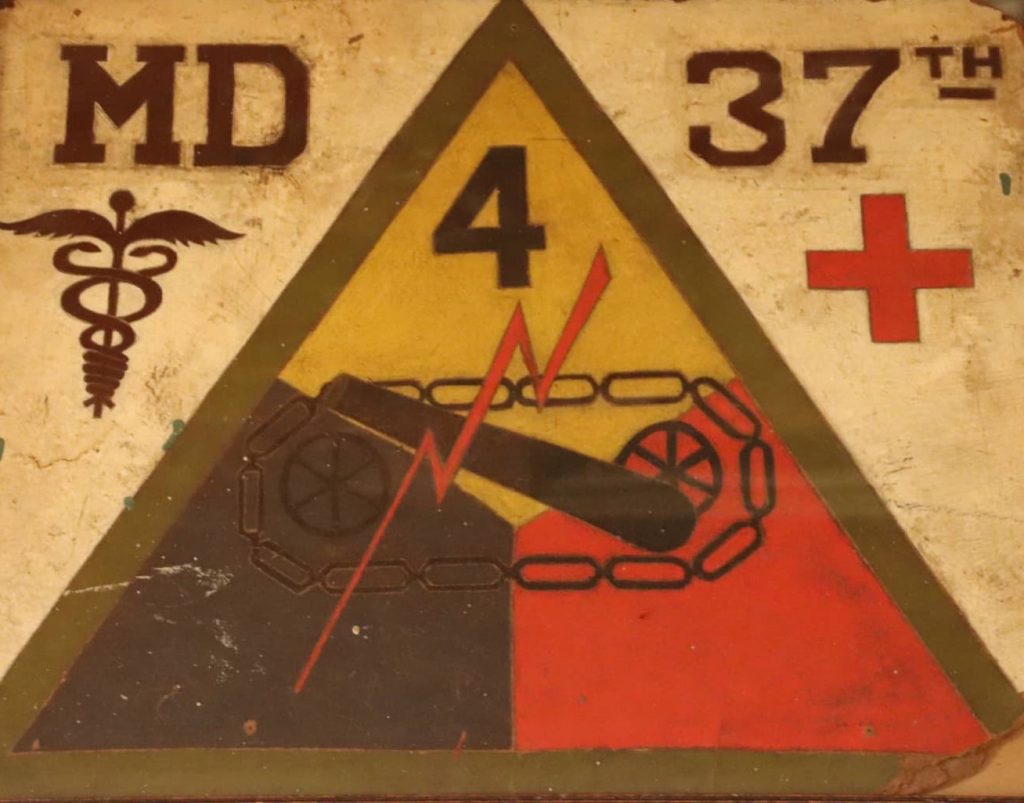
First echelon evacuation meant getting the casualties away from the front line, as quickly as the tactical situation allowed, to a battalion aid station. Here, they would be seen by a doctor for the first time after being wounded. “Soon after dawn, we began to receive casualties, many of whom were severely wounded. The aid

Medical Evacuation and Treatment Series. Part 4: Battalion Aid Station. Read More »
Evacuation Lorraine

Medical Evacuation and Treatment Series. Part 3: First echelon evacuation.

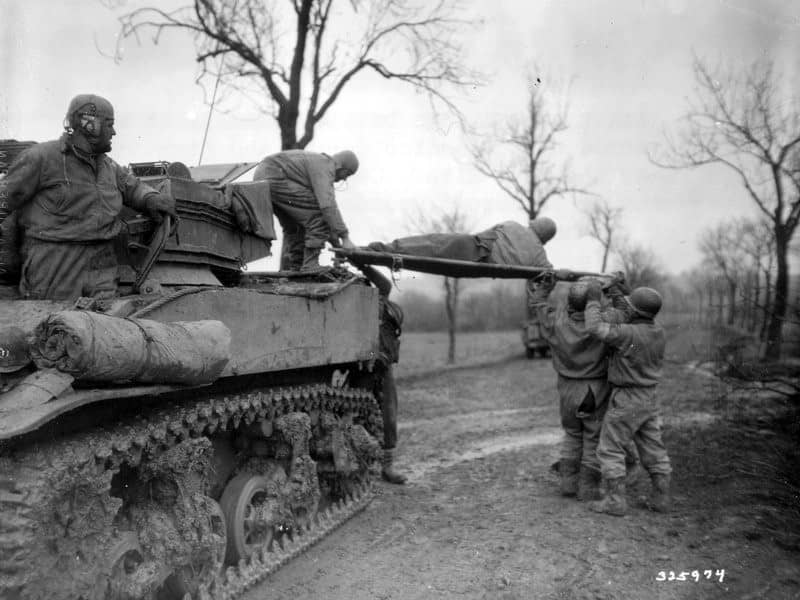
After being wounded, a casualty received first aid (Part I). Emergency medical treatment was then started by a company aid man (Part II). Now it was time to get the casualty away from the front as quickly as possible. This evacuation followed the links of the Evacuation Chain. In this part, I will take a

Medical Evacuation and Treatment Series. Part 3: First echelon evacuation. Read More »
Company Aid Man

Medical Evacuation and Treatment Series. Part 2: company aid man.

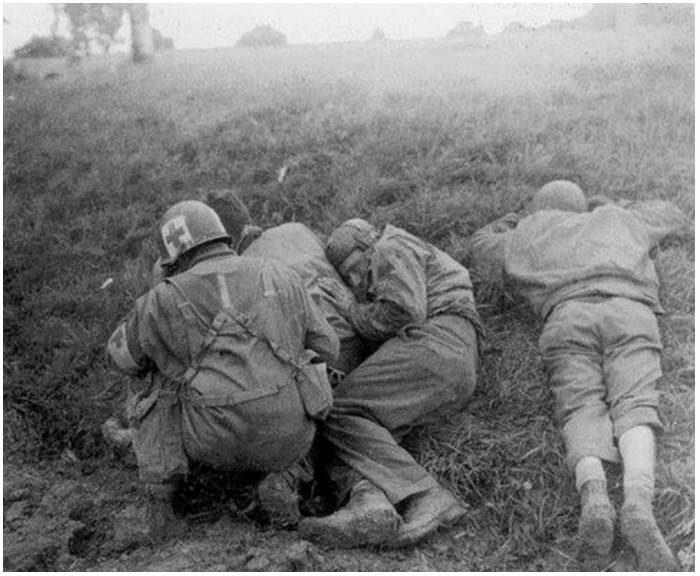
How do you train men to prepare them for war? How do you train them when you have to expend your armed forces roughly one hundredfold? And how do you do this when you have to do it while you are fighting a global conflict? I believe the answer inevitably will contain “compromises” and even

Medical Evacuation and Treatment Series. Part 2: company aid man. Read More »
FM 21 -11 First Aid

Medical Evacuation and Treatment Series. Part I: First Aid

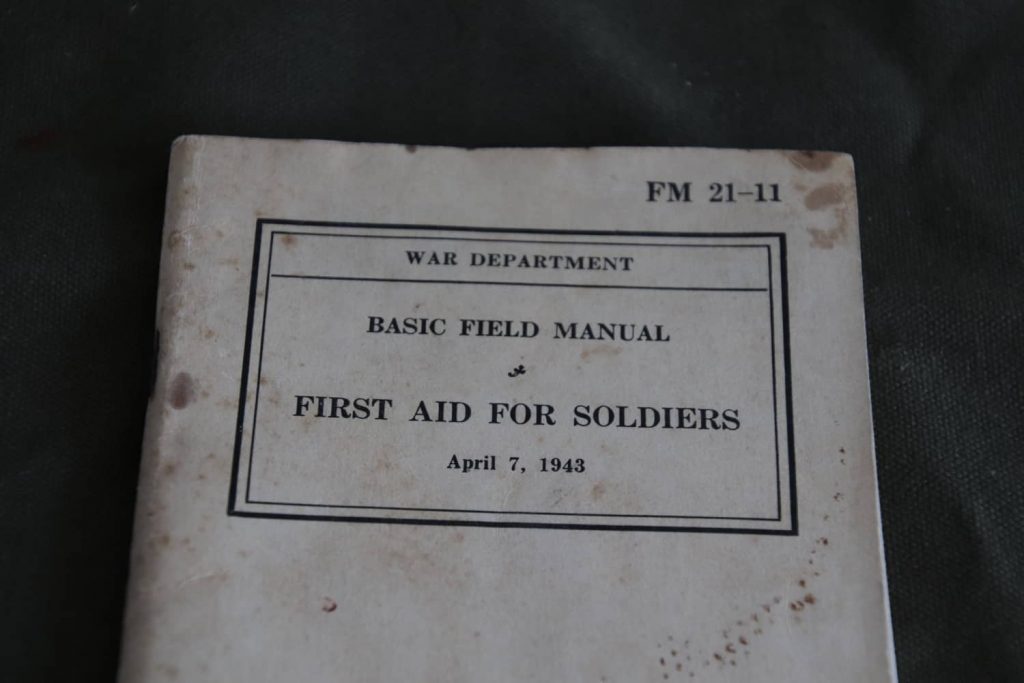
“MEDIC!”… I think we have all seen scenes in war movies or Tv-series where one of the portrayed soldiers is wounded in battle: Men are running. There are disorienting loud noises: the rattling of machinegun fire, the “pings” of M-1 Garand clips ejecting. There are explosions. Orders are shouted. Then there is that scream: “MEDIC!”.

Medical Evacuation and Treatment Series. Part I: First Aid Read More »

Medical Supplies

Logistics Series. Part III: Medical supplies and the 46th Armored Medical Battalion

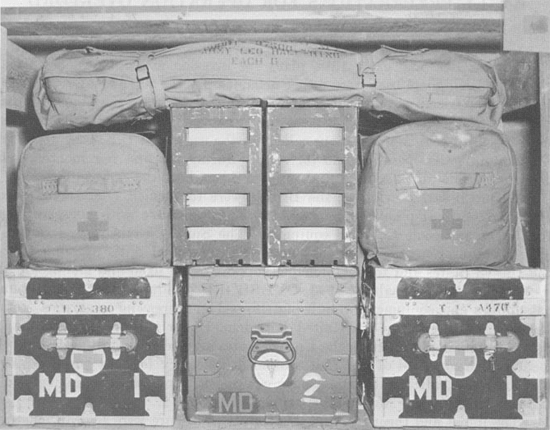
Let’s talk about the logistics of the medical service. From complete medical chests and bottles of whole blood to every first-aid kit and can of foot powder ever used, all the medical items needed to be brought towards the front before any medic could use them to treat casualties. So having a medical supply system

Logistics Series. Part III: Medical supplies and the 46th Armored Medical Battalion Read More »

Resupply armored division

Logistics Series. Part I: Basic logistics in an armored division.

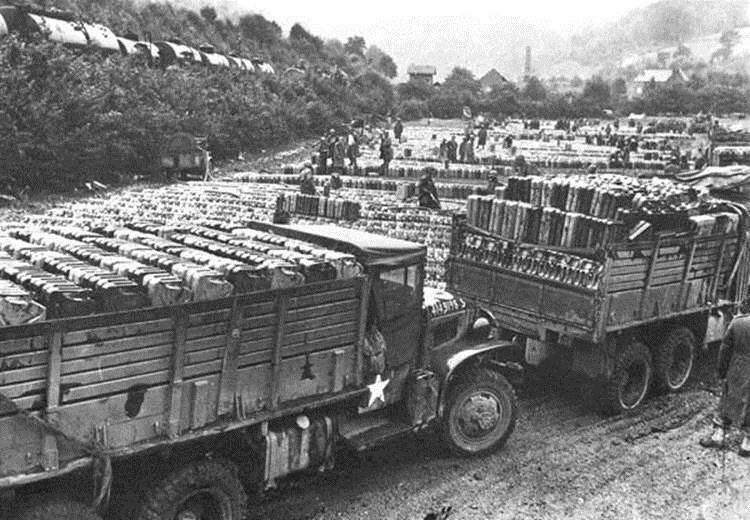
“Amateurs talk tactics, professionals talk logistics”. There are several variations of this quote (do amateurs talk strategy or tactics? And do professionals talk or study logistics?) It is also attributed to more than one man. Whoever may have spoken (a variation of) these words, he understood a key point in military operations: without a solid

Logistics Series. Part I: Basic logistics in an armored division. Read More »

Cobra King tank in Bastogne 1944

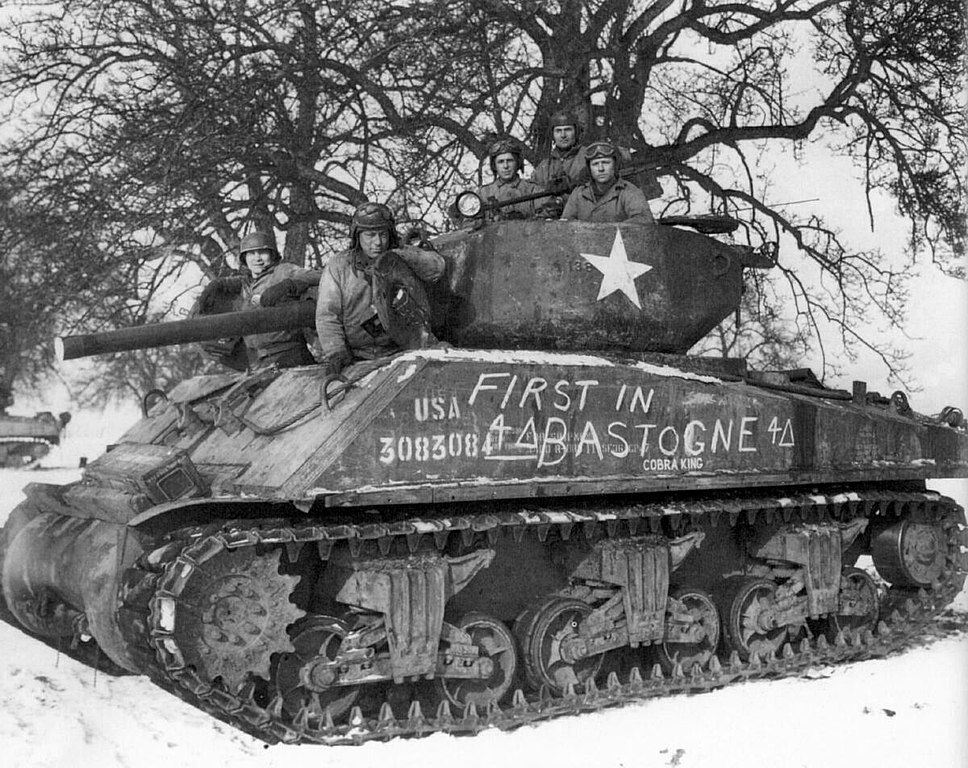
4th Armored Division “By their deeds alone”: a brief overview of the division’s actions.

To understand the story of the medical service of the 4th Armored Division it can be very helpful to have a brief overview of the division’s actions. I will present you with a timeline, showing the main dates of interest in the division’s history. I would like to start, however, by giving you an idea

4th Armored Division “By their deeds alone”: a brief overview of the division’s actions. Read More »

Messages book US Army WW2

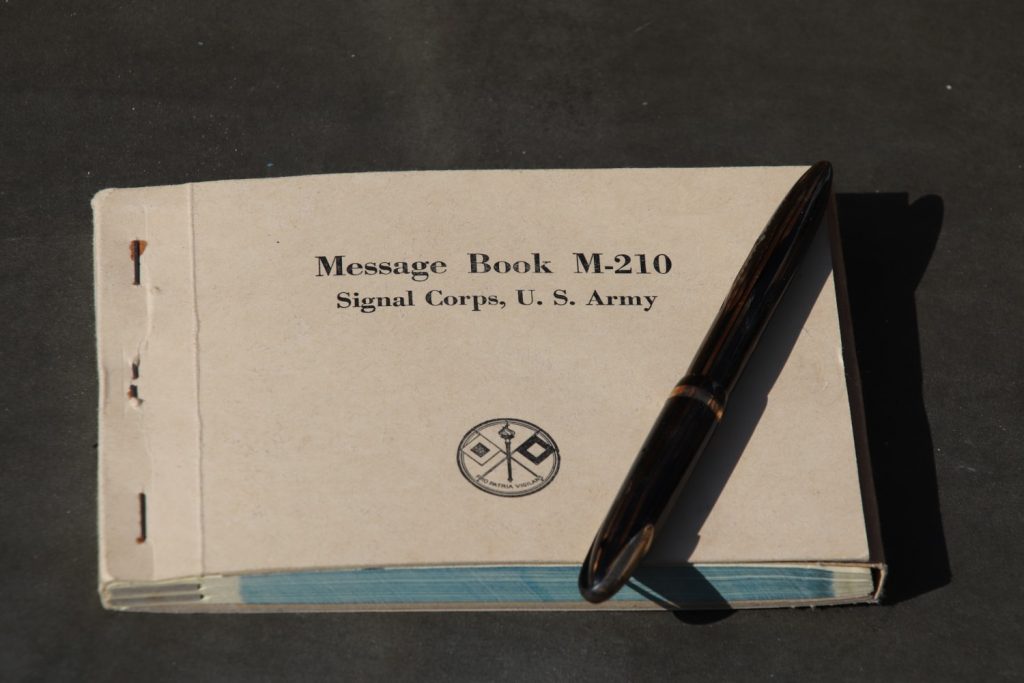
46th Armored Medical Battalion messages. They tell us a story today of 50 American POWs, liberated in 1945.

One of the things I love about doing historical research is the excitement of receiving new documents. Every time I have received or found new documents I felt like I am going on a treasure hunt! And just like a real treasure hunt, sometimes you find things that are not all that exciting. But then

46th Armored Medical Battalion messages. They tell us a story today of 50 American POWs, liberated in 1945. Read More »

Stars and Stripes Rhine Crossing Third Army March 1945

Guide to the timeline documents.

Part of the results of my research are bundled into the timeline documents I have created for the companies of the 46th Armored Medical Battalion (AMB). They can be a great source when you want to understand the stories of the men that served in the medical service of the 4th AD. Here I would like to provide you with a guide on how to read them.

Guide to the timeline documents. Read More »

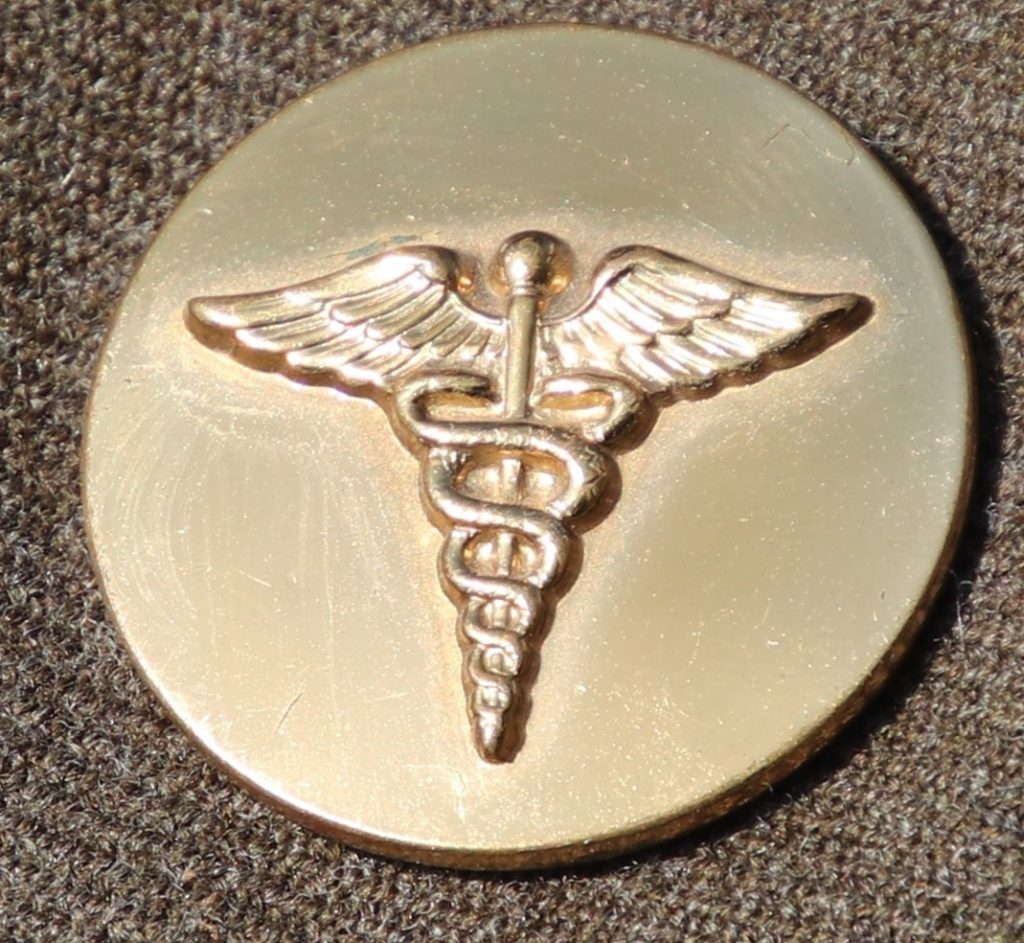
Guide Personnel Disk Caduceus Medical Enlisted Men

Guide to the Personnel Database documents.

One of the major parts of my research was the creation of the Personnel Database. You can see the the master database I have created in the 4th AD Medical Personnel Roster. This shows you all the information I have collected on all the personnel of the Medical Department personnel of the 4th Armored Division during the entire period of World War Two.
The second part of this project was to filter the men who served in the 4th Armored Division in the ETO (European Theater of Operations), from July 17th 1944 to VE-day.
The final step was to combine this filtered list with the TO&E of all the medical units in the division.
You can see the results of these lists under the Personnel Page here: 4th AD Personnel Units Combat. Or you can see them separated by unit under the Units pages. Here is a guide that help you to read these documents.

Guide to the Personnel Database documents. Read More »

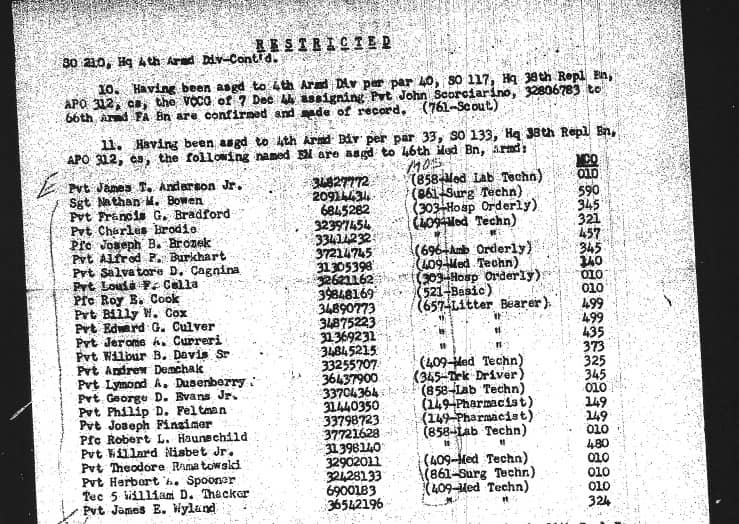
MOS 4th AD

Military Occupational Specialty (MOS)

In different documents, especially in Company Morning Reports, we often find different numbers connected to the men. First there is there is off course an Army Serial Number identifying a person.
But there is often a second number attached to a name. These numbers, called SSN (Specification Serial Number) are the numerical codes assigned to an MOS (Military Occupational Specialty).
Simply put, these numbered codes describe the job an individual performed in the Army.

Military Occupational Specialty (MOS) Read More »

Combat Medical Badge US Army WW2

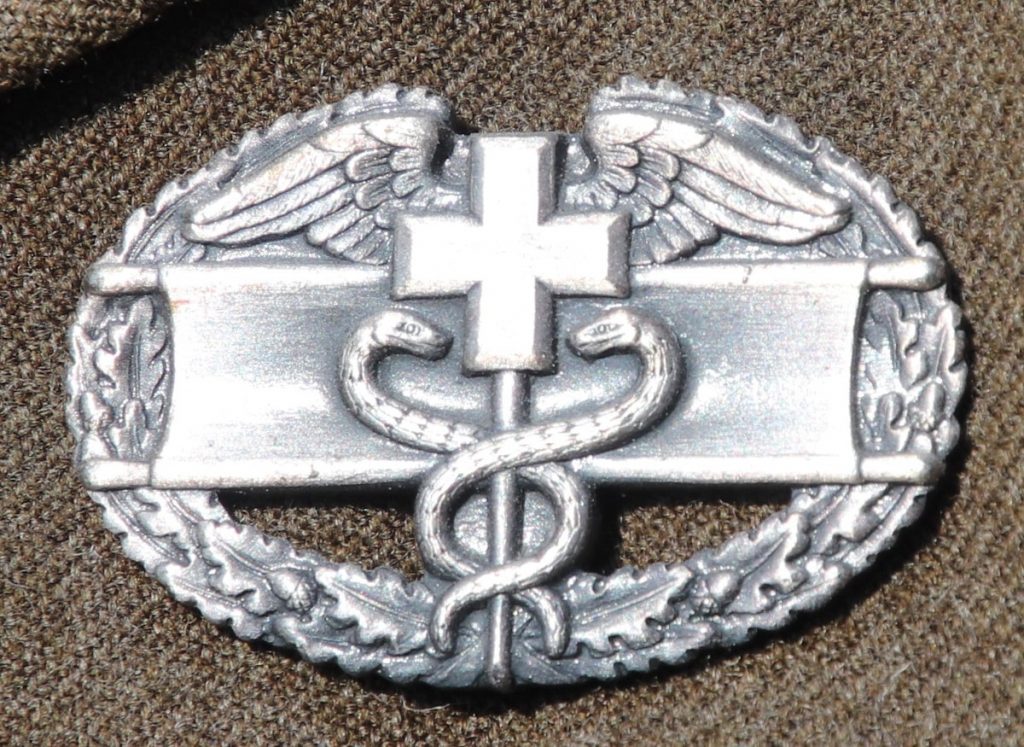
The Medical Service in the 4th Armored Division.

Here I’d like to tell you about the organization of the medical service within the division. It is the story of the men of the Medical Department that serviced in the 4th AD that my research and this website are dedicated to. Understanding the structure of the medical service within an armored division can help us a lot when we read about the stories of these men.

The Medical Service in the 4th Armored Division. Read More »